
Miami County Court Docket Searches
Start with the Kansas District Court Public Access Portal, known to most people as CaseSearch. It is the main online route into a Miami County District Court case. Coverage runs to the civil, criminal, probate, domestic, and other categories Kansas allows online. A terminal at the courthouse can show more documents than remote access will. Municipal charges are a separate matter. They stay with the city court unless an appeal or a separate district case gets filed. A Paola, Louisburg, Osawatomie, Spring Hill, or Fontana traffic ticket belongs with that municipal court first.
For a Miami County court docket search, use the official CaseSearch screen. It is the public portal.
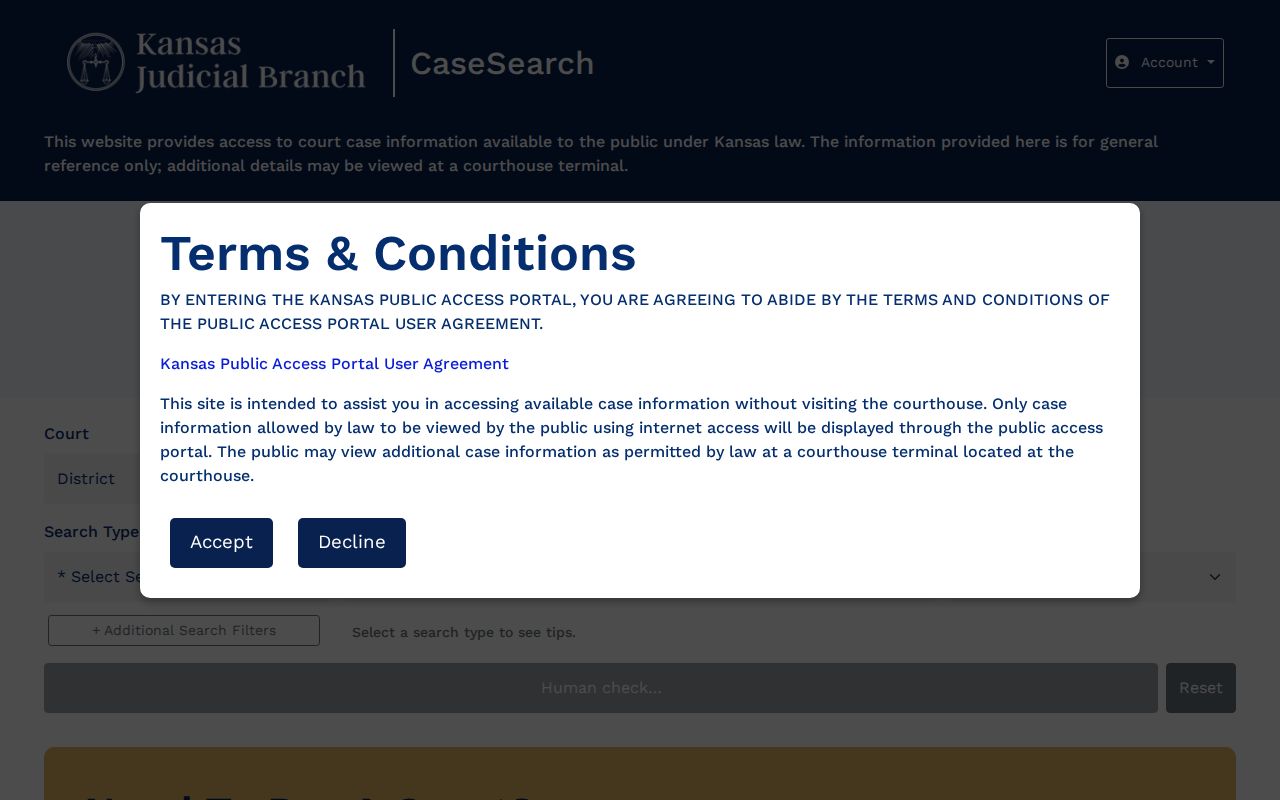
Because the portal spans the whole state, the Miami location filter matters. Have the full party name ready. An approximate filing year helps too, and so does the case number if you know it. Smart Search accepts either a record number or a name. You can also narrow by case type, filing date, party type, and location. Resist the temptation to grab the first matching name. Results are informational only. The portal itself warns users to verify everything against the official court record.
- Open CaseSearch and choose Miami County as the location.
- Enter the exact case number, or search a party name with filing and case-type filters.
- Match the caption, court location, and filing date before opening the result.
- Read the events and hearings, then compare any date with the county calendar.
- Ask the District Court Clerk for the filed document or a certified copy when proof is required.
Miami Smart Search Fields
Kansas Smart Search offers more than a name box. A record-number search works from an exact case identifier. The advanced form can combine first, middle, and last name with a business name, a filing range, case status, and location. Wildcards widen the net. They also drag in unrelated people, so use the fewest variations needed to land on the correct Miami County docket.
| Search route | Useful fields | Best use |
|---|---|---|
| Record number | Case or citation number | Known district case |
| Party name | First, middle, last, business | Unknown case number |
| Advanced filters | Location, type, status, filing dates | Common names or many results |
A portal result is not the full case file. Kansas access rules, user role, and record type can all limit what images appear. When the docket identifies a filing but will not display it, the public terminal and the clerk counter come next.
Court Dockets: What They Show
Think of a Miami County court docket as an index and a timeline. The caption names the parties. Events follow in the order entered, covering filings, service, settings, orders, and dispositions. It answers the basic questions. Does a case exist, which judge is assigned, and what happened most recently? It does not guarantee that every label means what a reader assumes. "Disposed" tells you the court entered an outcome. "Continued" tells you a setting moved. Neither label, on its own, explains the underlying order.
| Case Number | A court identifier that may include filing year and case-type code. |
|---|---|
| Parties | Plaintiff and defendant, petitioner and respondent, or state and defendant. |
| Docket Entries / Filings | Dated records of pleadings, notices, service, orders, and other activity. |
| Hearing Settings | Date, time, setting type, courtroom, and sometimes remote-hearing detail. |
| Court & Judge | The court location and assigned or presiding judicial officer. |
| Disposition | The recorded result, which should be read with the judgment or order. |
Miami Docket Setting Labels
The county's generated Docket by Date favors practical labels. Arraignment, motion, review, pretrial, trial, sentencing, and status conference are the common ones. Entries can also carry extra fields. A time allowance, courtroom, judge, interpreter note, Zoom setting, or sealed placeholder may appear. Keep one caution in mind. These fields describe the planned event, never the final result. A "trial" entry may be continued later. A "review" says nothing about what the judge decided.
- Setting
- A scheduled court event.
- Continuance
- An order moving an event to another date.
- Disposition
- The court’s recorded outcome for a claim, charge, or case.
- Sealed
- Access is restricted by law or court order.
Read entries in date order. When the portal permits, open the newest order attached to the docket. If a setting vanished or shifted, compare the latest event and confirm the date with the clerk.
Miami County Courts and Their Dockets
Miami County sits in the Kansas Sixth Judicial District. Its state trial court is the Miami County District Court at Paola, which handles felony prosecutions, civil suits, domestic cases, probate matters, and district-level municipal appeals. City municipal courts keep their own separate dockets for local ordinance and traffic matters. Federal cases arising in Miami County go elsewhere entirely. They belong to the United States District Court for the District of Kansas, not to the Kansas CaseSearch system.
| Court | Docket Covers | Where to Search |
|---|---|---|
| Miami County District Court | State civil, criminal, domestic, probate, juvenile, and appeals | CaseSearch, terminal, District Court Clerk |
| Municipal courts | City ordinance and municipal traffic matters | City portal or city clerk |
| U.S. District Court | Federal civil and criminal cases | PACER and federal clerk |
Miami County's Two-Building Question
Paola has two county buildings that matter here. The historic courthouse sits at 120 South Pearl Street. The county administration building sits across the street. For a court docket or a court file, go to the courthouse. The District Court Clerk there is the right office. General county open-records requests may run through a different county department instead.
Built in 1898, the courthouse has a 115-foot tower on a limestone foundation. Its age is a point of pride. It is not a clue about which office holds your case records. Before you head out, check the official Sixth Judicial District Court page. It lists the court, its judges, the calendar link, and the access notice.
That same county court page is also the best first stop for current details. It gathers the Miami County court docket, the judges, and the calendar route in one place.
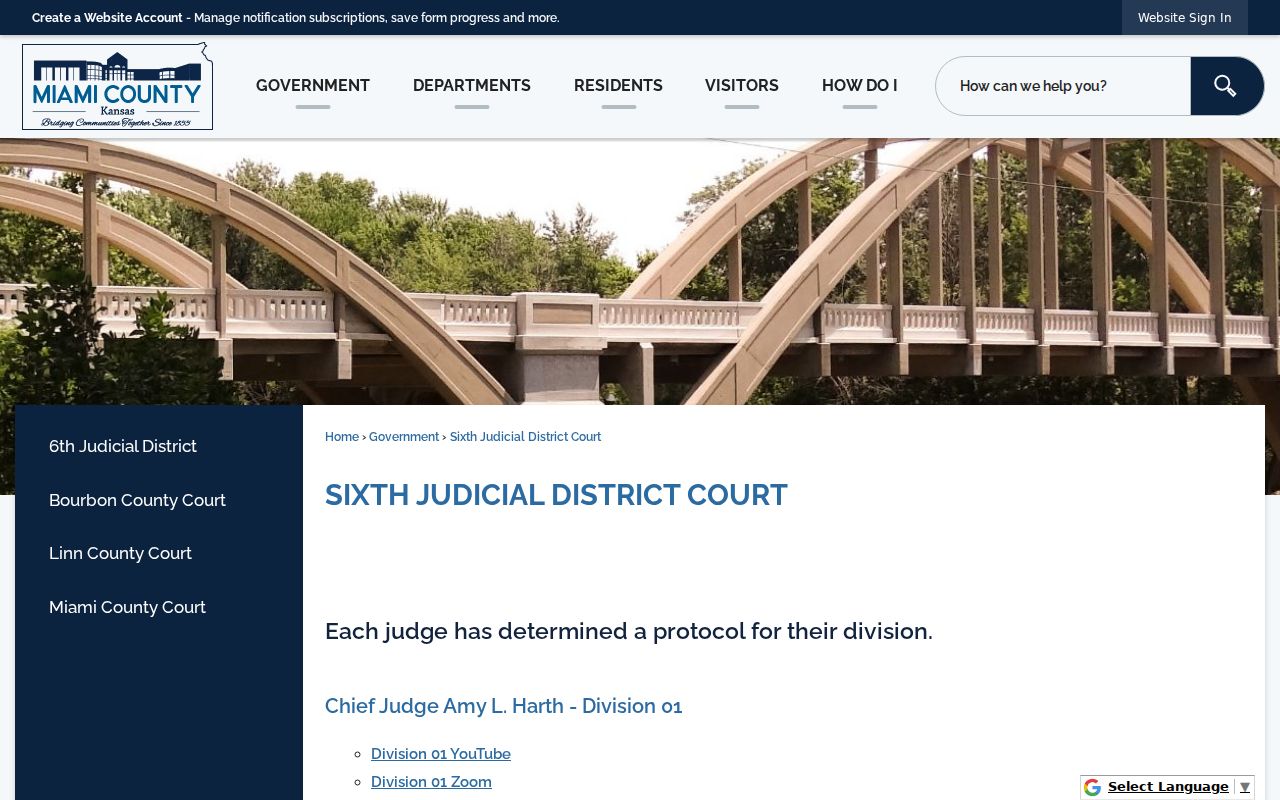
Check that official page before driving to the courthouse. When you request a court file, state the case number, party names, document title, approximate filing date, delivery preference, and whether certification is needed. Specifics help staff pull one useful record instead of puzzling over an undefined request to "send the whole docket."
Court Dates and Settings in Miami County
The county's Docket by Date calendar searches several fields. Date span, judge, attorney, location, or setting type all work. Each generated entry may list the case number, caption, hearing time, judge, location, and event label. Staff attempt daily updates, the county warns. A new hearing or continuance may not yet appear. That warning is reason enough to confirm by phone before travel. The Sixth District records guidance explains the public terminal and the electronic Miami County court record path.
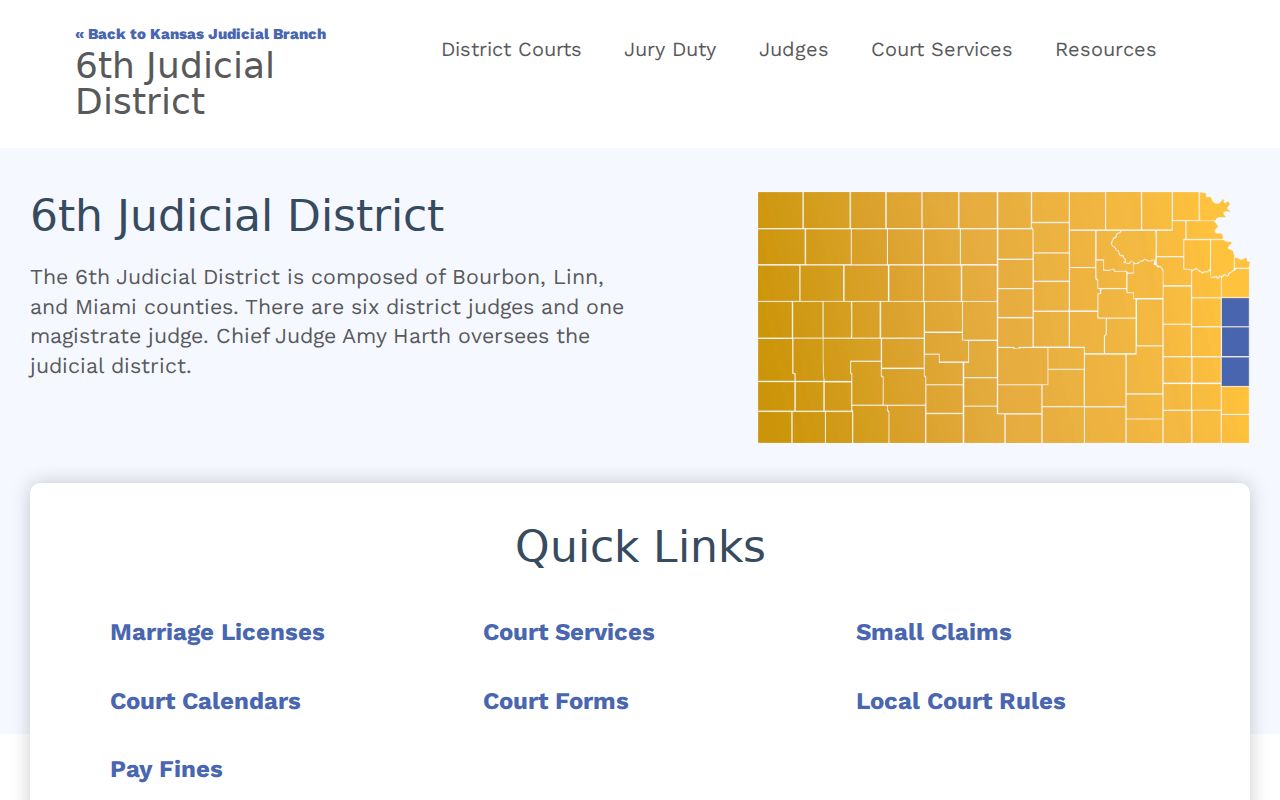
A Miami County court docket tells you what was filed and when. The documents sit behind those entries. Keep the two apart. Begin with the Miami County court schedule, then line the event up against the case docket. When a date moves, a newer entry or order should say so. Online postings can lag behind, though. The calendar page includes a handy print trick. Highlight the entries you want, then use the browser's File and Print command. A printout is only a snapshot, never official notice of a current setting.
When the Miami Calendar Changes
A date can drop off the Miami County calendar for several reasons. The setting may have moved. The new event may not have posted yet, or your search range may be too narrow. The matter might even sit in a municipal court. Silence is not a dismissal. Check the newest case events. Rerun the date search under the correct court, and call the court named on your notice.
Missed or uncertain setting: Contact the clerk at once. A portal search does not excuse a required appearance or replace a court order.
Miami County's public calendar can mix formats. In-person, Zoom, interpreter, and stipulated-facts settings all appear together, and each label adds context. Still, only the filed notice or order controls what a participant must actually do.
Miami County's eCourt Transition
Kansas eCourt arrived in the Sixth Judicial District in 2020. Newer cases may carry more online metadata or documents than older files. That is one effect of the eCourt change. For filings, the state uses eFlex. That is its electronic filing system. Authorized users submit documents there. E-filing is not the public CaseSearch display.
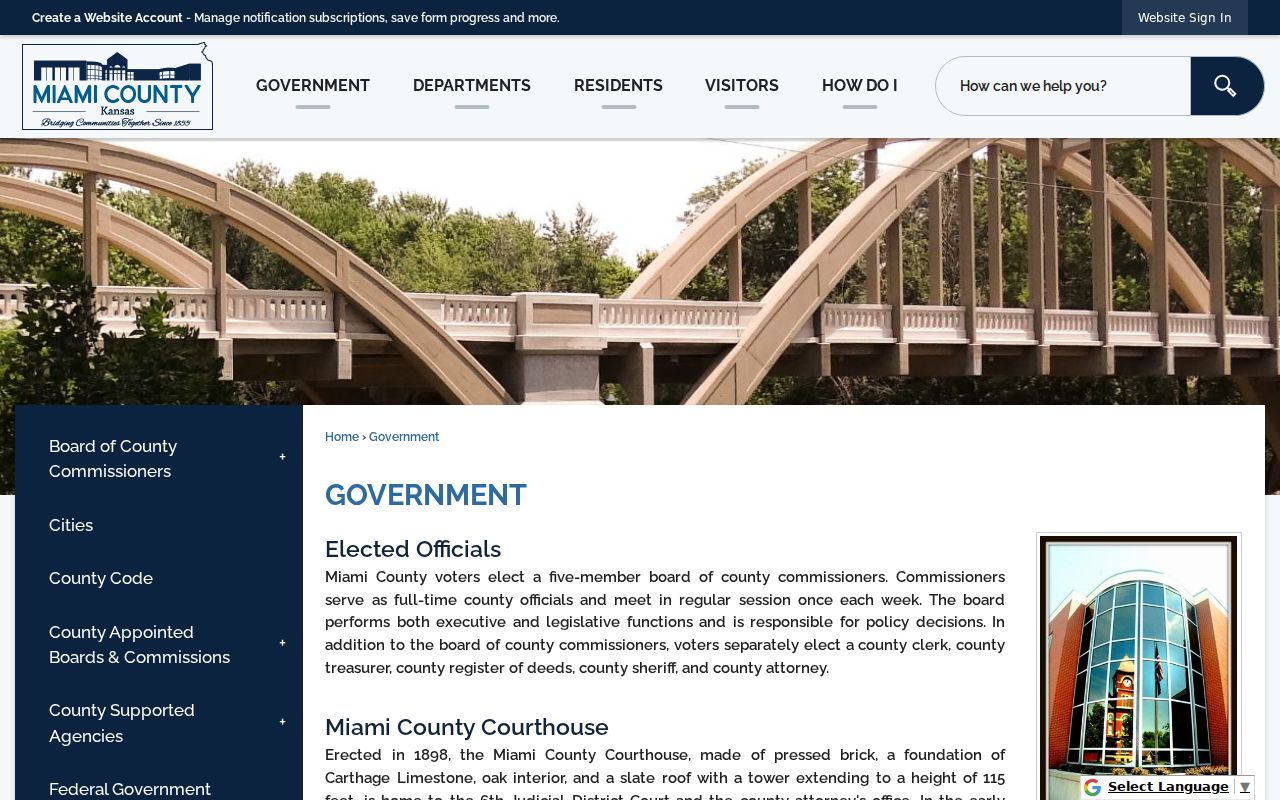
For background on the courthouse and nearby offices, see the county's government overview. It sketches how the local government fits together.
Court and county records must reach the right office, and that matters here. For older or unusual files, ask where the record sits. It may be paper, imaged, archived, or held elsewhere. Genealogy requests in Miami County cross offices. County Clerk materials cover some records from 1885 through 1911, while marriage records from 1857 forward go to the District Court Clerk. A year and a record type can matter as much as a case name.
Docket Access Under Kansas Law
Kansas dockets answer to more than one rulebook. Judicial access rules and the Kansas Open Records Act both govern court records. Kansas Supreme Court Rule 22 sets public access and bars certain case and document types from the internet. Rule 24 covers privacy and redaction. So a Miami County record may be open at the courthouse. Yet it can stay closed to remote viewing. Sealed or confidential material stays restricted either way.
Key Rules:
Kansas Supreme Court Rule 22 sets the public-access framework and remote-access limits.
Kansas Supreme Court Rule 24 requires protection of specified personal data in filings.
K.S.A. 45-215 states Kansas policy favoring open public records, subject to legal exceptions.
Some case types simply will not appear. Juvenile, adoption, care and treatment, sealed, and other protected matters may be missing. They may also be limited in any docket search. A blank result is a question, not an answer. Ask the clerk whether the record exists. Ask which access rule applies, rather than assuming no case was filed. The official Miami County home page offers a current route to county departments and notices.
Use it for county context, then return to the judicial portal for the court case itself.
Miami Docket Versus Case File
A docket records what was entered, and when. The case file holds the documents behind those entries. A calendar is narrower still, listing only scheduled events. The three work together but are not interchangeable, and a docket entry labeled "journal entry" may show just a date and status while the signed journal entry carries the ruling itself.
| Resource | Best question | Access route |
|---|---|---|
| Docket | What happened in sequence? | CaseSearch or terminal |
| Calendar | When and where is court? | County Docket by Date |
| Filed document | What did the filing or judge say? | Portal image, terminal, or clerk request |
For document-request details, use Miami County court case records. Copies come plain or certified. Certification is the clerk's word that a copy matches the official record; it changes nothing about the ruling.
How the Clerk Keeps Docket Records
The Miami County District Court Clerk keeps the District Court case record. You can request copies through the Kansas court-record request form or by contacting the clerk. Note the local pricing. Miami County's local rule sets copies at $0.50 per page rather than the district's general $0.25 rate. Certification runs $1 per document. Confirm the current charge before ordering, especially for archived retrieval or a large file.
Miami County District Court Clerk
120 S. Pearl Street
Paola, KS 66071
913-294-3326
Reading Miami Records Without Guessing
Tie any case data you find to the right court, case number, and filing date. A name match alone proves little. Check the caption. Then check the filing type and the court location. After that, read the most recent disposition document on the Miami County court docket before drawing conclusions. Charges are allegations until a court resolves them. A dismissal, acquittal, conviction, diversion, or expungement each carries a different legal effect. A short status label on the docket may not capture that difference.
Know which office holds what. The Miami County request page handles requests for county-government records. Judicial case documents stay with the District Court Clerk. Asking the right office the first time saves real time.
For context beyond court records, see the county's resident resources page. It lists the wider local services available to Miami County residents.
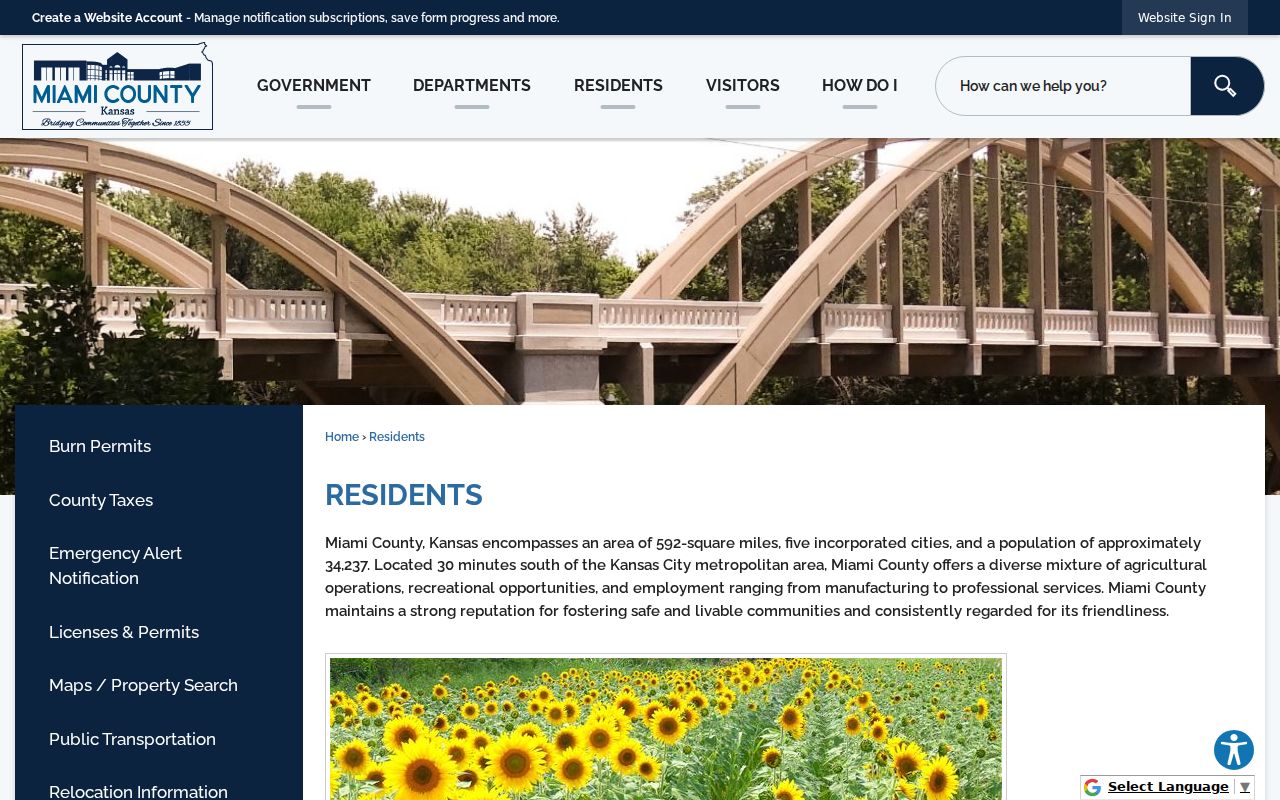
None of those services replace the judicial case-search system. The Kansas Historical Society county profile supplies the Miami County history used to frame older records.
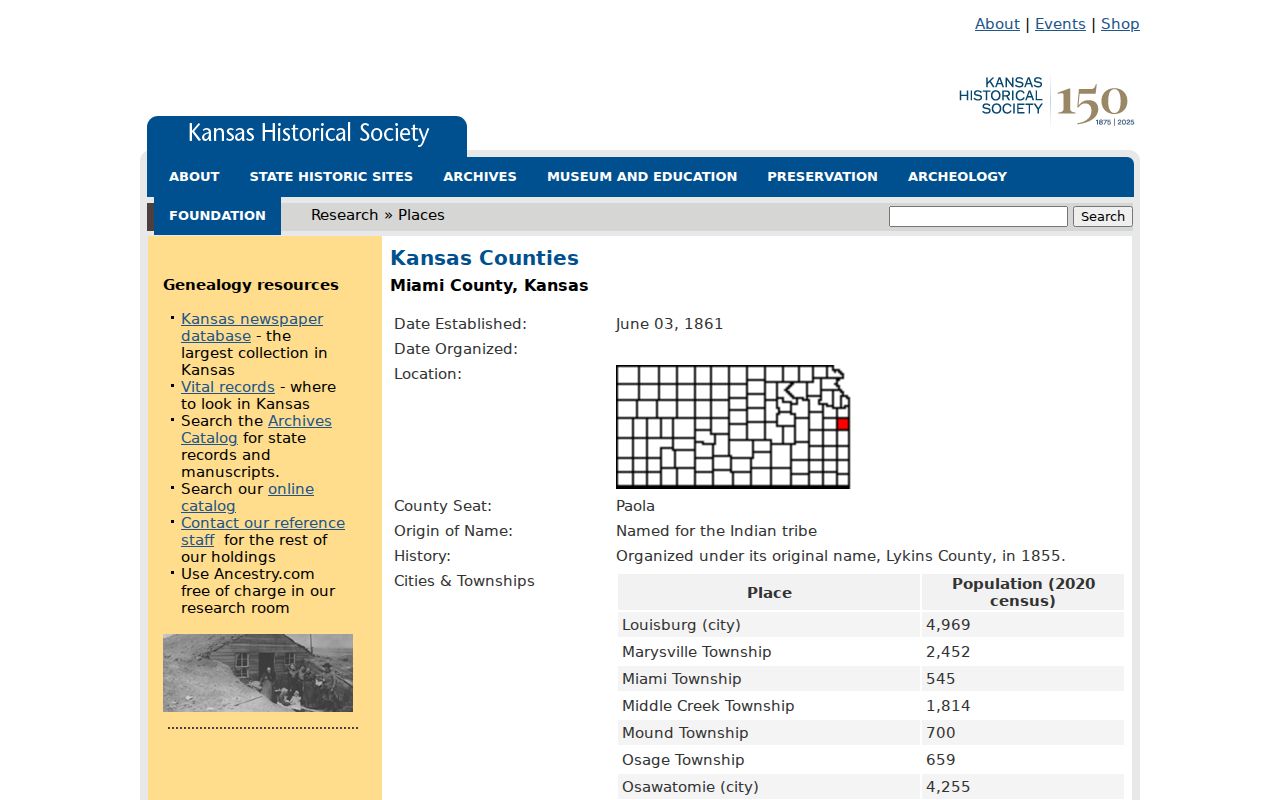
That historical backdrop helps a requester choose between a modern eCourt lookup and an older archive inquiry. Note: Verify every Miami County docket detail with the court that created the record before relying on it.
City-by-City Court Dockets in Miami County
Start a municipal docket search with the city that wrote the ticket. Spring Hill and Louisburg offer an online channel. Paola posts a court page plus a way to pay. For Osawatomie, the clerk is the contact. Venue details can shift. A municipal appeal can still land in Miami County District Court, as Kansas law allows. Fontana offers no public court portal on its official site.
City order on these Miami County court docket pages follows the official incorporated-place table. It lists every incorporated place in the state. Population sets the order.
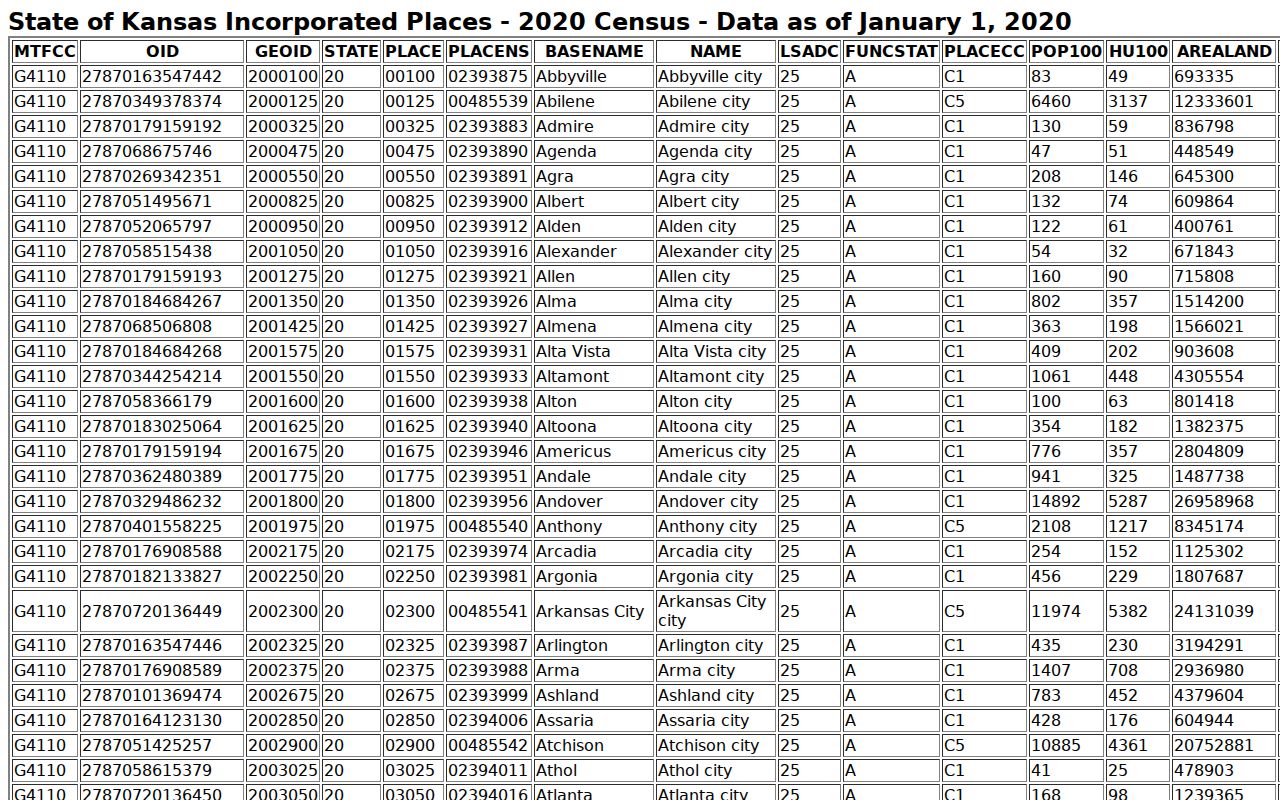
One caveat on Spring Hill. Its population count spans both sides of the Johnson County line, so it is not a Miami-only figure.
For the federal layer, the District of Kansas boundary page spells out which counties, including Miami, fall inside the district's reach.
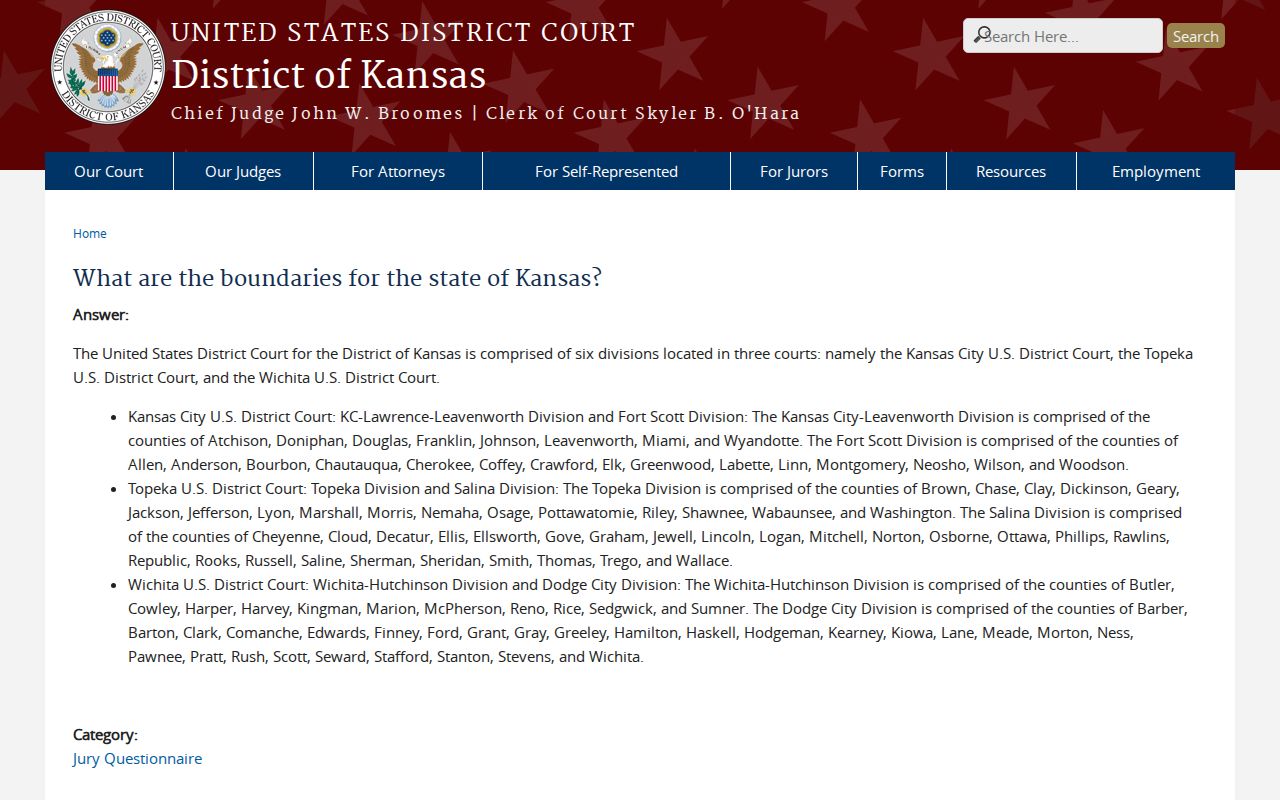
Federal docket searches belong in PACER, not Kansas CaseSearch or a city portal.
Spring Hill Court Records
7,952 full-place population in 2020 · Tyler search and detailed court procedures
Paola Court Records
5,768 · Municipal Court page, payment route, and continuance form
Osawatomie Court Records
4,255 · Clerk-first route with a time-sensitive court relocation
Louisburg Court Records
4,969 · Municipal search plus a documented 2026 technology transition
Fontana Court Records
210 · City Hall contact and ordinance archive; no verified court portal found
Map and Directions to the Miami County Courthouse
Miami County District Court case files are kept at the historic 1898 Miami County Courthouse, 120 S. Pearl Street in downtown Paola. The pressed-brick building, with its Carthage limestone foundation and 115-foot tower, sits across the street from the newer county administration building at 201 S. Pearl, so a requester headed for a district-court file should confirm they are walking into the courthouse rather than the administration building next door. The District Court Clerk's office at the courthouse handles case records, copies, and certifications.
Miami County District Court Clerk
120 S. Pearl Street
Paola, KS 66071
913-294-3326
Because the courthouse and the county administration building sit on the same block, calling the clerk at 913-294-3326 before a visit helps confirm the counter location and current hours. Copies from a non-confidential file run $0.50 per page and certification $1.00 per document, cash or check, unless a judge waives the fee.